What to put in your investor data room
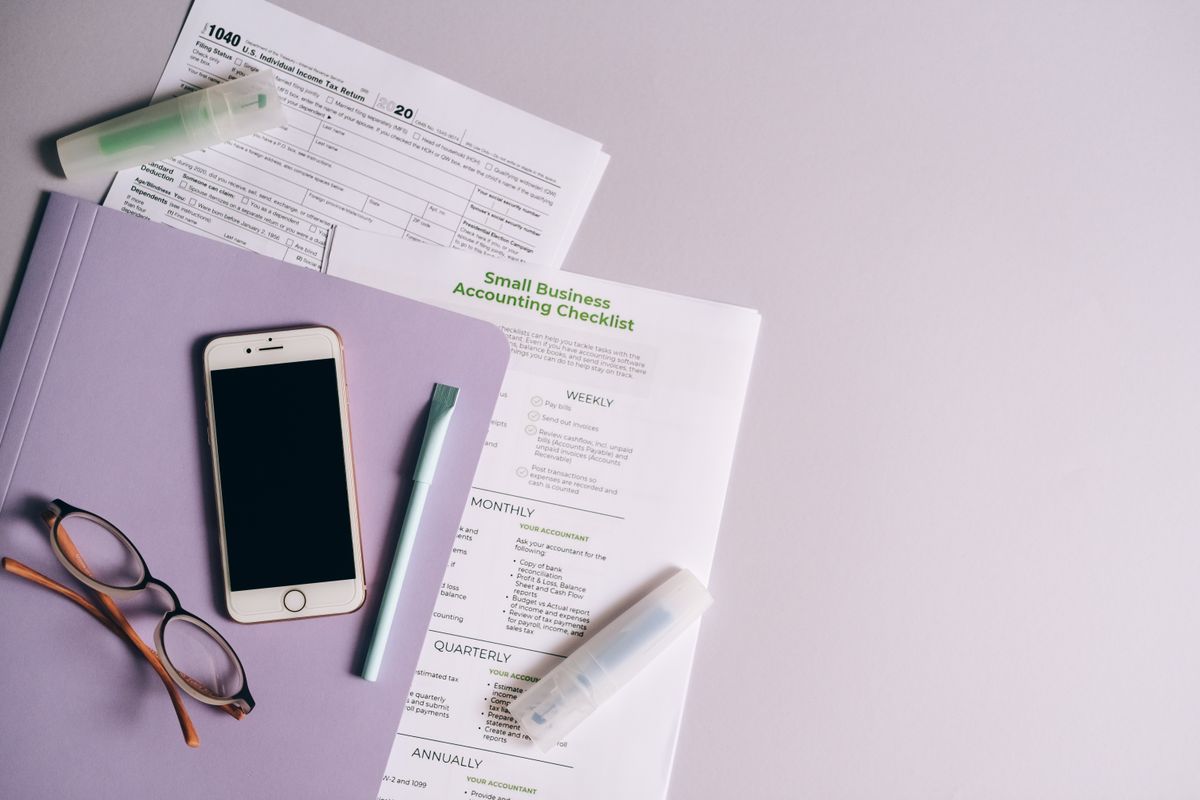
A data room is the folder you share once an investor is serious. Have it ready before you need it. Scrambling for documents mid-diligence kills momentum, and momentum is most of what closes a round.
What goes in
For a pre-seed or seed raise, keep it lean and organized:
- The deck and a one-pager. The latest versions, clearly named.
- Financial model. A simple projection with assumptions you can defend, plus past numbers if you have them.
- Metrics. Revenue, growth, retention, and pipeline in one place, kept current.
- Cap table. Current ownership and any outstanding SAFEs or notes.
- Incorporation and legal. Company documents, key contracts, and IP assignments.
- Team. Short bios and the org as it stands.
- Product. A short demo or access, and a brief roadmap.
Keep it tight
A data room is not a document dump. Too much noise makes a thin company look thinner and a strong one look disorganized. Include what supports the story and answers the obvious questions. If a file raises ten new questions, leave it out and address it in conversation.
What not to overshare early
Hold the most sensitive items until there is real intent. Customer contracts with names, detailed security documents, and employee specifics can wait for a signed term sheet, or at least a clear verbal commitment. Share a summary first, and share the raw thing when the deal is real.
Diligence rewards preparation
Investors read preparation as a signal. A founder whose numbers reconcile and whose cap table is clean is a founder who will run the company well. Build the room while you build the list. When you start outreach, browse verified investor contacts and curated lists, and pitch the round you are actually raising. For round framing, see pre-seed vs seed.